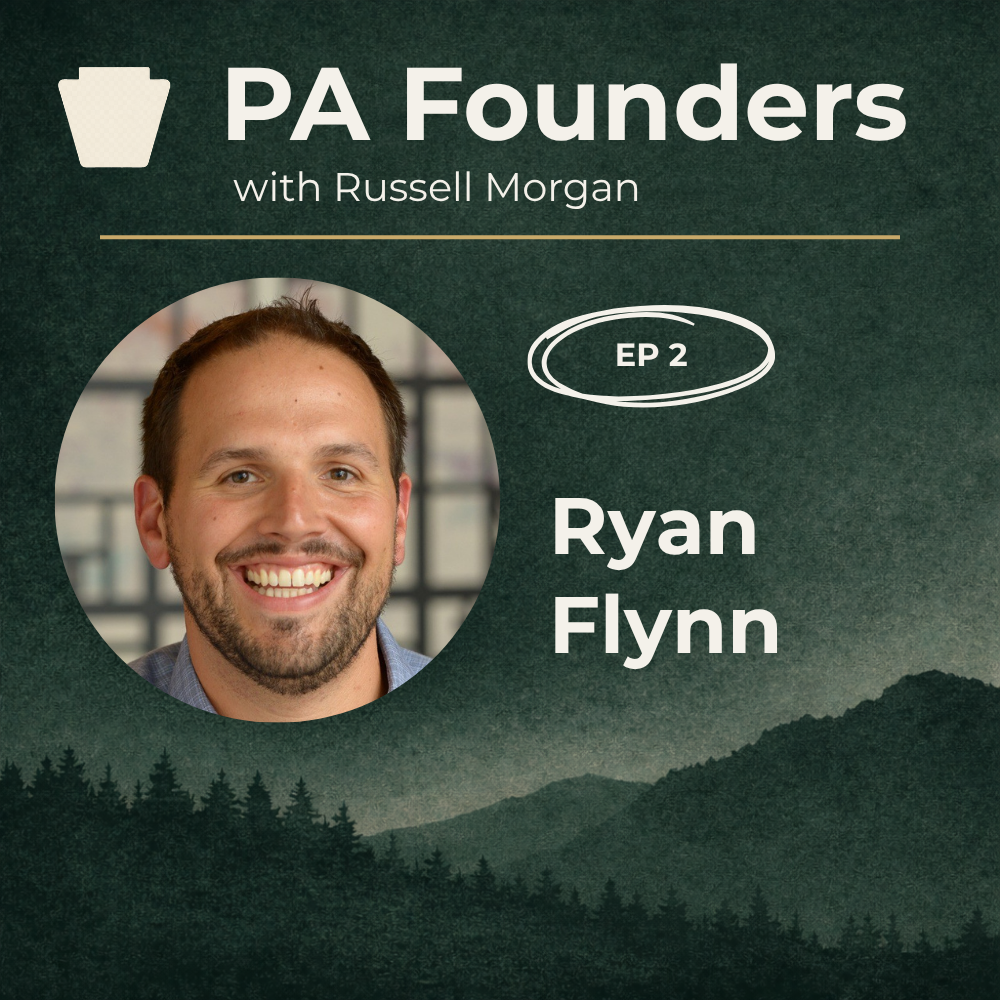
Ryan Flynn was a business banker at Chase covering nine branches in the Chicago suburbs when a client started telling him about this new program called Fulfilled by Amazon. Ryan went home that night and Googled it, discovered something called retail arbitrage, and within months he was scanning clearance racks at Target between branch visits, stuffing products into his car, and shipping pallets to Amazon warehouses. By March 2015, he told his wife over dinner that he thought he could do this full time. She said go for it. He put in his notice the next week.
But retail arbitrage never sat right with him. He was making money, sure, but he wasn’t building anything. He was just exploiting a pricing gap, and he knew the market would eventually correct. What Ryan actually wanted was to help brands sell on Amazon, and he said as much to his mastermind group back in 2015. They mostly shrugged. Then he found a ketchup-shaped dog food topper called Petchup on a Walmart clearance shelf, looked up its Amazon page, and thought: this listing is terrible, but this product is great. He cold-emailed the company, started managing their Amazon presence on a revenue share, and the next chapter of his business began.
Today Ryan runs ExpertCPG Commerce, a productized Amazon agency that manages the full sales channel for consumer brands in grocery, health, pet, and personal care. His team of brand managers runs the operation, and Ryan can step away for weeks without the business missing a beat. We talk about what it took to get there, the painful middle years of burning cash and laying off staff, and why he thinks AI is about to flip the economics of service businesses on their head.
About Ryan
Ryan Flynn is the founder of ExpertCPG Commerce, an Amazon agency that manages the marketplace channel for consumer product brands. Based in Central PA, he’s been building businesses since 2015.
Topics we cover
- How a banking client’s offhand comment about Amazon FBA changed everything
- Retail arbitrage: making money vs. creating value, and why Ryan always wanted more
- The Petchup story and how a dog food topper led to an agency model
- Building on a pure revenue share and why it nearly broke the business
- Turning a scrappy operation into a productized service
- Undiagnosed ADHD, the love of finding the right tool, and operational obsession
- What it looks like when the machine runs without you
- AI, service businesses, and why private equity is suddenly interested in agencies
Links and resources
Transcript
Show full transcript
Without Ryan, this podcast wouldn’t exist. In 2024, I was at the peak of burnout. I worked a tech job that I should have been content with from the outside looking in at the very least, but I was a caged bird. Every weekend, I’d go hiking in the mountains an hour or two outside of Seattle, and these hikes served as a form of meditation for me. I’d never wear headphones, no music, no podcasts, audio books, or anything. Just me and my thoughts for about four to six hours every single weekend. And the chorus that had played in my head every single time was, I just cannot do this anymore. I cannot deal with being micromanaged by someone I don’t respect, selling a product I don’t believe in, and living a life that I’m supposed to want, but I just don’t enjoy. And that really came to a crescendo during 2024. And the only thing that kept me going was being the first person to a trailhead on a weekend morning and just putting one foot in front of the other up a mountain. During that time, one of the realizations that I had was that I enjoyed my life the most when I was either hiking or when I was talking business with other entrepreneurial type of people. And Ryan was my first exposure to this type of person. He’s what you’d call a visionary or an idea guy, but he’s one who’s also made a real business for himself. So in 2017, as a 24 year old guy living in Chicago, he became my boss, my mentor, and ultimately my best friend. Fast forward seven years, and I conjured up a reason to fly out to Philadelphia and visit customers for my job with Adobe. And I turned it into a trip to see Ryan and scout Central Pennsylvania, because I needed to get back closer to my people. And I knew that he was the beach head and very much he was. He was the reason that I moved here and I’ve created a life that I enjoy here since late 2024. The reason I enjoy is because finding a friendship group or a tribe, a fellowship, whatever term you want to label it as, is a cornerstone of a happy life. The very least it is for me. And since moving here, starting my own business and meeting other entrepreneurs, largely via my monthly hikes for founders, of which Ryan was the initial member, I’ve found my tribe or my people. And now I’m starting this podcast to broadcast the conversations that I get to have all the time. But normally they’re happening one-on-one behind closed doors in a locked Zoom room or on a hiking trail in Mount Gretna. And my goal here is to help you find your people too. So if you like talking about the game of business, business ideas, and how the world is full of opportunities, if you know where to look, then Ryan is most likely your type of person. But let’s hear how Ryan wound up in PA and the butterfly effect that brought us all to listening to this today. We moved to Pennsylvania about five years ago in 2021. Previously, I was born and raised in Illinois. I lived in Illinois my entire life. Before that, lived in the suburbs of Chicago for the previous 15 years to moving out to here. So it was 2021, we’re a year into COVID. My wife and I had lived in our, it was our first home. And all of a sudden we’d been in there for like 11-ish, 12 years or something like that. So, and by that time we’ve had two kids, two dogs now, and just starting to outgrow the first house. So probably looking at moving anyway. Also, all of our family lived, we lived in the Chicago area. All of our family lived in central Illinois, two plus hours away. So there was like no family down the street that was keeping us there. And the kicker though, the real catalyst was my wife finishing her master’s in child psychology and child life science and looking for a job in her field, which is as a child life specialist. So we kind of talked about it and decided like, hey, what do you think about moving somewhere else in the country? And I was just like, at first I’m like, oh, that’s your comfort, right? You don’t want to go out of your comfort. And then I was like, actually, yeah, why not? Like, you know, and so she starts applying, you know, her job she’s looking for is in a children’s hospital. And so she starts applying for jobs all over the country. And we’re looking at like, you start, you know, she starts applying for these jobs and I’m, you know, start looking at Zillow, you start imagining your life, what would it be like in Oklahoma City or San Antonio or Cincinnati? And came out to Hershey, applied for a job here in Hershey at the children’s hospital. And yeah, she got an interview. I think she did all the interviewing online, but then like they offered her the position obviously. And then we flew out here one weekend, looked at houses and put an offer on a house when we were here. That looked out, we looked out great into that and yeah, moved the family. We were just outside of Hershey and Anvil. So two towns over, Lebanon County, which is great. I love it’s, I never thought I’d like living in a small town, but I do love it. You know, we live in a newer home, which is nice, you know, but you know, we still smell the cow manure coming out of the fields at night. So it’s like this interesting, you know, farmlands, but you know, Anvil’s kind of nice too. It’s not really a sleepy town because there’s a college here, Lebanon Valley College. You know, you’ve got all the amenities of like Hershey, then you’ve got Lancaster. And then I love, honestly, even though we don’t do it as much as I talk about, like how much I love it. You know, we could be in Philly in like an hour and a half, two hours. We could be at the beach, you know, which is totally foreign to me as a kid. Like everybody grew up here, grew up going to the beach, right? I went to the beach like every couple of years as a kid, right? Like we would maybe make a trip to like somewhere and then like you can be in Manhattan in three hours by train. But then also the Appalachian Trail runs through our county. So like, that’s cool. Even though I don’t, again, don’t do that as much as I talk about doing it, but a different lifestyle for sure than Illinois, than what I had before. Yeah. Had you always wanted to be a firefighter or was that a byproduct of moving to PA? Totally a byproduct. Yeah, so when I moved out to PA about six months in, and by the way, I kind of buried the lead there. We had it, you know, my wife, we’ve had our third child since moving out here as well, which is not a part of the plan, but here we are and we have a, so Mason, our son is almost four and two older daughters now that are 14 and 11. So a great little, you know, definitely spread out in ages, but it keeps us busy, it’s a lot of fun. But Michelle getting, you know, announcing she was pregnant was one thing in the first year, but then also within six months of moving here, I saw a tab post on our town’s local fire department page saying, hey, we need help with volunteers and you know, we need this kind of stuff. And I can’t remember what the post said, but I’m like, you know, I’m a business owner. I’ve been a business owner for, you know, at that point. You know, five, seven years or whatever. And I was like, I can probably help on the business side. Cause I imagine it’s like a business and they have like income and expenses and they need help with that kind of stuff. So I can probably do that. And so what I did was reach out to the chief and I met with them at the station and he bring, it was almost like you’re being, you know, seduced because he brings you to the back of the engine bay and you’re like, you’re standing by all the fire trucks and stuff, right? And we have three larger rigs there at the station. And he’s like, yeah, and you can run fire. We need lots of help. You know, he’s a very forward thinking guy, positive guy. We need lots of help, you know, and you can run fire calls. It will train you, we’ll get your gear and all this. I’m like, huh, really? Like I could run fire? He’s like, yeah, you can do it. Like, that sounds kind of interesting, you know? And so long story short. So the volunteer fire service in Pennsylvania in the Northeast in general, but definitely in PA, because the story, you know, Ben Franklin founded apparently the first volunteer fire service in Philadelphia. Prior to this, I’ve lived in towns and cities and municipalities that have all had career or paid for fire service, right? People you pay for. Where I grew up, there was volunteer services around there to supplement that, but nowhere close where I lived and it never, you know, never had exposure to it. Every town is required by law to provide fire service for the citizens, okay? Which now, I see that you can say that a lot. I can see why that, how that became like a law or something, right? They have to provide that, especially as there’s different classes of townships in PA. And that’s the whole thing I was born to, I still don’t understand completely, you know, but they have to provide fire service for the citizens and it’s up to them on where they get it, okay? We’re the Anvil-Colonial Fire Department. We cover Anvil Township, Colonial Borough and a large portion of South Anvil Township. So that’s how it works is that those towns have agreed that these areas were providing the fire service for them. And then right now they just give us money. They give us an allotment every year, but there’s no, I don’t even, I don’t think it, that’s actually a great question. I should know this because since this year I’m actually the president of the fire company. So I’m four months into this. And taking it back to entrepreneurship is like, I love learning, right? Which I think you share a love for as well. And like in the fire service, what I’ve done is the tip of one iceberg, but there are multiple, you could go down a hazmat route and be a hazmat guy. You could be technical rescue and do like high angle rescues with ropes and rigging. The curiosity angle, how did that feed into you becoming an entrepreneur? What’s the through line there? Yeah, the curiosity angle is a great way to say it because it all goes down to, so before I started my business in 20, officially went full-time in 2015, actually about in March, 2015. So as a recording, that’s about 11 years ago, I previously worked for a large bank in the Chicago area, Chase Bank, and I worked in the retail banking sector. So I wasn’t like an investment, but I was like literally in branches and helping personal customers with the pot.and credit cards, stuff like that. But then I, probably about four or five years in, I started delving into the business banking world. So becoming like a, I’m still a personal banker, but I was called a small business specialist. So I was kind of like the resident expert in the branches that might be able to help with business stuff when a business customer comes in. It’s a whole different animal when it comes to businesses. I then became a business banker, which was actually outside, I worked in the branches, but I worked under a different division then called business banking. And I covered, when I left nine branches. And so I literally was like the business banker, relationship manager eventually for those branches where I was like the designated business person to help the local businesses around those branches with loans, deposits, you know, all that stuff, right? Going back to the curiosity angle, I had a client that was an e-commerce client. Like they sold leather goods and belts and like Docker pants. And again, this is 2013, 2014. You know, my boss was visiting, my boss’s boss was visiting after like a day of calls. So they want to always see like your best clients and like all this. So, you know, you’re trying to set up, you know, meetings. And hey, can we come visit you and walk through the place and tour it? And sure. So my boss and my boss’s boss and I all go out for this call and we’re talking and he starts talking about, yeah, we’ve been doing growing, blowing up on Amazon, you know, lately. And they have this new program called Fulfilled by Amazon, FBA, and you can, and this is, and so that’s when Amazon stores a third-party sellers, you know, and now it’s like, it’s commonplace. It’s, you don’t even think about it, but Amazon stores the products for, and ships them on behalf, making them prime eligible, you know, all that stuff. They just opened that up to everybody. It came out of beta. And so this guy, they were seeing the fruits of that, of being in that program by just being able to get the customers quickly, right, and have that prime badge. And so I actually referenced, I’m like, oh yeah, I read an article in the Wall Street Journal about that earlier. And like, he’s valid. I mean, these little like data points, right? These little like, you know, starting to inter-stitch the stuff and pattern match things as we talk about, like just, I’m like, oh, interesting. So I just started looking into it. I just thought, what is this whole selling on Amazon thing? Like, what’s it take to do that? And I come across this concept known as retail arbitrage, where you literally go into a retail store and you scan a barcode with an app on your phone. And let’s say you go into a target and there’s an item on clearance that normally sells for 20 bucks, but the clearance sticker says it’s selling for seven. Well, you scan the barcode on it and you put in how much you’re gonna need to buy it for, and then it does all the math of saying, okay, you buy it for seven. Amazon’s gonna take 15% of the sale price. You know, if it’s over 20 on Amazon, let’s say, 25 on Amazon, you’d sign up for a little more. Amazon would take 15%, the FBA fee based on the size and weight’s gonna be this. Even after your $7 cost of goods, you’re gonna net X, right? And so I start reading into this, and I do, I remember buying that first one. I was so scared and nervous, because I’m like, what am I doing? I’ve had other business ideas in the past and I just didn’t, never followed through with them, and it was so scary at the time. And so I did that, and this is fall, like August of 2014, and I distinctly remember it, and I just kind of snowballed from there. And I spent the next rest of the year of 2014 and in early 2015, and reinvesting everything I was making back into more inventory, and around that time, you’re hitting the Christmas holiday season, so that’s a huge time on Amazon to be selling things. I was having, here’s the thing though, I was learning, like it goes back to the firefighter angle, like I was learning something completely new. I was so unfulfilled also at the bank. It was a great distraction for me, like it was a great way, and I’d be sitting at the bank and all I’d wanna do is to go buy stuff, and I covered nine branches. Between branch visits, I could hit, you know, on one corner, a Target and a Home Depot, and it was like a treasure hunt too, it was little things like that. And so, yeah, that’s what, that was the curiosity angle, and then from there, I told a story, I took my wife out for a nice dinner, and I said, I think I can try this full time, you know, and not knowing anything really about running my own, even though I’ve worked with businesses, I knew nothing about kind of running my own business outside of, you know, talking to accountants, and knowing financials though too, that helped, like looking at people’s, like, you know, financials, income statements, balance sheets, doing loans and stuff like that. That gave me, and I took accounting classes in college, so it was kind of a little throughput there, but I’m like, I think I can do this full time, and I told her, if not, I can go back to business banking, some other bank even, the next week, right? Like, there’s not, and you know, they say there’s never a great time to have a baby or start having kids, there’s never a great time to start a business is what I always tell people now. Timing’s never gonna be right, just do it. Like, just do it. And so I did, I remember in March of, again, 2015, you know, I announced, I told my manager I was leaving, and gave him a few weeks notice, and went into buying and selling things on Amazon full time. So there’s the curiosity angle, but then there’s also the other angle of seeing the opportunity in things. If you take yourself back to, like, that 2014, 2015 time, what was the opportunity that you were seeing behind this idea, or was it literally just, it’s called retail arbitrage, I see a chance to run the arbitrage game and make some money, or was there an empire that was already appearing in your head? Great question. Retail arbitrage, to me, the retail arbitrage game, or just like in any, and this is like, how I view arbitrages in life now, almost, like, I don’t love arbitrages. All arbitrage is is an inefficiency in the market, and you’re just exploiting that, and eventually the market’s gonna correct, you know, at some point, whether it was through technology, disruption, you know, more players in the space, and just like, and I could explain how that happened to retail arbitrage, too, over the time I, even, like, that I saw it, only doing it for a couple, like, three-ish years, how I saw it with retail arbitrage, but I never liked arbitrage because, to me, it was just a means to an end, and I, even very early on in the arbitrage game, I was in a part of a small, you know, group mastermind of other people that were like, we’d get on calls together and talk about, hey, what about doing this? Have you guys seen this in your area? They’re all people doing retail arbitrage all over the country, you know? And it was fun, so you get to share your successes, but also ask questions, and oh, you’re doing this that way and that way? And, you know, you come to find out that, like, everybody’s doing the same thing, nobody’s really adding any value except adding, I should say the third-party marketplace, but also people are, like, going to buy stuff at, like, your local store that’s on clearance because it’s not moving there, but there’s demand on Amazon, right? And now that customer on Amazon’s getting the product available to them, Amazon is high standards for the seller, so it’s, like, a quality product for the most part, right? So, anyway, I thought I could talk all about that, but I never liked the arbitrage game of, like, it was just a means to an end for me, right? And what I always saw, I was going back to the mastermind conversation, was I always told those guys, like, I want to do this for, like, companies, I want to help companies, but I remember saying that literally in, like, 2015. What was their take on that? Was it that maybe they couldn’t see what you could see? I think it was that, I think that, I think some of them saw this as, like, didn’t see, saw it as, like, either a hobby or were more fascinated by the dollars than anything else, right? Very money-motivated by it, and I’ve never been money-motivated. Some people are very motivated by the dollar. You can see that, right? That wasn’t me. I, again, going back to this thing, I’ve always been motivated by the vision of what could be, and so I just knew that there were these brands out there that could be doing more on Amazon, but at that time, to answer your question, and I still suffer from this, it’s imposter syndrome. Even though I came from a complete background of talking to customers, like, on a, business customers, like, every day, but I wasn’t, I was still, like, not confident. I’m like, I’m just this guy. I don’t know anything. I’ve learned this on Amazon, but who am I? You know, it was kind of like this whole thing with that, but to tie that back into the story and the continuation of the story, I realized that reach to arbitrage, even though I started moving into a small, I moved out of my basement. I got a small little office, and then I went to a, eventually, like, a 2,000 square foot office warehouse. Still didn’t have all this reach to arbitrage out of, right? Like, I had buyers buying for me. I was like, had people I literally would give criteria to in a company credit card, and they would go hit our territory and, like, drop stuff off at the, even on the weekends, they’d, like, key the office, they’d drop stuff off. We’d, an employee processing stuff and sending, we were sending pallets into Amazon and at that point sometimes, and so it was crazy. And then, but I, in between moving to the bigger warehouse, before that, I ran across this brand in Walmart called Petchup, and what it is, it’s ketchup for dogs. And the more specific category is it’s a dog food topper. It’s technically, like, a dog food gravy, and that’s very, when I say that, a lot of people will know, yeah, my dog needs that. It’s essentially, you put it on dry dog food to, if your dog is a picky eater, helps them eat it. But it was very well-branded, because it was called Petchup, right? And the bottle looked like a bottle of ketchup. They also had mutt-stirred and mutt-nays, right? And I found this, we bought, I think I bought this at Walmart or whatever. Like, it was in stores and I found it somewhere. Bought it on clearance. I just remember, I can, it’s one of those times where you can just remember where you’re standing, and, like, I remember where I was standing and looking at it and going, man, this, this is the company I should contact. Because here’s what I did. I went to the Amazon page. Like, this is a horrible Amazon page. They don’t, their images are bad, their copy’s bad. Are they even advertising? And advertising was still pretty newer at that time. Not like the beast it is now with Amazon, but. So I’m like, you know what, I’m gonna, and what I saw was, what you still see on Amazon pages today, frequently bought together. Like, Amazon will tell you what people buy Petchup with. Well, they buy it with mutt-stirred and mutt-nays. So you would see literally, like, Amazon would say, people buy.not just want this flavor, but they buy all three. Right. And so I start, I, I didn’t even call the people because I was like, again, it was a whole imposter thing. Like who am I? Like, I don’t know who these people, there’s probably some huge company. And they’re like, I email them. I place a wholesale order through the website of the three flavors. This is the time before I had a doc. So literally they’re like, you need, do you need a lift gate for delivery? I’m like, I don’t even know what that, sure. I don’t know. I guess. Cause I literally getting this pallet dropped off in this like parking lot, this light commercial parking lot. Right. And I’m like unloading the pallet by hand me this one high school worker I had and bring into the office to, to repack them because they sold them in case packs of each flavor. Right. So what I was doing is I was bundling them and selling them as one unit on Amazon. So I was taking that, that data from Amazon saying frequently bought together. And I was essentially combining them to sell them as one unit, which the unit economics on Amazon are a lot better for selling a three pack like that. It would be a single pack. So long story short, I be buying more and more. It’s very successful. That three pack, it becomes like the head of all the single bottles on Amazon, like as far as the sales of it. And, um, I think I started emailing with the people back and forth and they’re, I’m like, you know, it’s probably more ways I can help you. Maybe we can just have a chat, you know? And again, I’m, I’m typing that probably even at the time just thinking like, Oh my gosh, what do I know? And I get on the phone with them and they, people couldn’t been, you know, further from what I was thinking they were. Right. And they, and they, the husband and wife team, they, this wasn’t their full-time business. You know, the husband was like an airline pilot and the, and the wife did different things and they had this cool little kitschy little product business. And, um, yeah, it was just, and so I got a phone with them and I’m just like, why don’t I just handle Amazon for you? Like that sounds great because we don’t know what we’re doing on Amazon. We’re trying to, you know, we’re growing in retail stores here in Colorado and blah, blah, blah. And, and like, if you do Amazon for us and that’s, and that’s hands off. And from there we went to a model where it was like a percentage of sales model and that kind of was the, a big shift to like the next phase of where the company went in terms of like, okay, reach arbitrage is not working. Let’s get rid of that. It wasn’t working for a variety of reasons. The retail arbitrage on its way out. And then I started uncovering these partnerships and I was just like, Holy cow. What? And so that’s kind of the, again, the foray into the next phase of the business, which is how you and I met back in mid to late 2017 when you hired me as a sales guy to come in and attempt to get you more of these great kind of partnership level relationships where it is a pure revenue split. We’re going to manage the Amazon sales channel for you and grow it. And the revenue splits great for you as the brand because we’re incentivized to grow this thing alongside you. One thing that I feel like if you don’t live in the Amazon space day to day is understanding what do you actually do for a brand on Amazon where it’s not just like, don’t you just throw them up there and then you let the money print? Yeah, it’s funny. I was just explaining literally somebody this week that didn’t have, obviously we all know Amazon as a customer, right? And I mean, I tell people tell I talked to a lot of brands every week and I’m like Amazon now is more of a e-commerce is almost like tables. The e-commerce is not a new thing. It was back, you know, 10 plus years ago e-commerce was a new thing. Now it’s just ubiquitous with society and life and you don’t even think about it. So I tell people Amazon is not a commerce company, but they’re like a logistics company. I mean, obviously they have AWS and so that’s a whole nother again topic. But you see the vans, the neighborhood, you see the trucks on the highway, they have rail cars, they have planes. So, and they have warehouses everywhere. And not just one warehouse, they have different kinds of where they have sortation centers. So that’s how they get the products to the customer. You know, same day. My point is, is like, think about that. Like think about where I’m, but again, e-commerce is ubiquitous. So go back to answer your question. We work with brands on the self-service model of selling the products on Amazon, which is called seller central or the three P model. The three P meaning that you’re not selling your one P would be like you selling wholesale to Amazon, which they only do that for huge companies in more Procter and Gamble’s and you know, those kinds of things where Amazon is the seller. You’ll see on the listing where it’s Amazon is a seller. We’ll say sold by and fulfilled by Amazon. We work with companies that are selling their products through the Amazon marketplace. They’re the seller, right? So if it’s, um, let’s call it, uh, Appalachian trail granola bars. Let’s call it 80 granola bars. That’s a, that’s a mouthful. We’ll call it 80 granola bar, 80 granola. Let’s just call it that. That’s a cool name. Let’s say we’re working with a company like a company called 80 granola, right? Let’s say they started out here in central PA. Hey, we’ve got these great roots. We have this great story with this great granola. Here’s why it’s different than everybody else. So let’s just say this 80 granola starts selling in farmer’s markets and they start, you know, getting a little following and they start selling something on their website. And all of a sudden they’re selling stuff on their website to other people that aren’t even in PA, but people are hearing about it. Um, so let’s say this company starts growing and then all of a sudden, Oh, you know, they, the local giant store or, or maybe it’s, um, Weiss or, or one of the other ones. Um, they, they say, Hey, we want to, we want to carry this and like maybe five of our stores and do a little test. Right. And 80 granola is like over the moon, like, Oh my gosh, like we’re going to, yeah, perfect. We’re, we’ve got this co-packer now doing it for us, you know, locally or whatever on the area. Co-packers of like someone that’s going to manufacture like food and beverage products. And, um, they’re, they’re over the moon, right? And so they’re doing all this stuff and trying to do it well. And maybe at the time they started selling on Amazon too, because they can’t, it’s easy to get quote unquote started. It’s easy to put your products up there and, and put them for sale. Maybe use FBA, maybe don’t, maybe you’re just sending them out each order. You could sell on Amazon still, but not use FBA. You could, and that’s where you don’t see the prime badge and it might charge you 10 bucks for shipping, right? Not a great conversion rate for that either. We want the prime Amazon customer wants the prime badge, especially like in something like granola. So this brand’s done it themselves. They’re growing and all of a sudden giant says, yeah, we’re going to carry it in every store. We’re going to carry it in like, in, in like 40 stores or whatever, you know? And then all of a sudden like, it’s like, you know, Weiss is like, Oh, we see this AT granola. And like, you know, and then all of a sudden you go to a little trade show or whatever, you get event all of a sudden, like you’re distributing through Kehi or UNFI or, you know, and, and, and now these local other, like maybe little boutique stores along the AT in the country you’re carrying, you know, all of a sudden, like it starts, it’s snowballing very heavily, very heavily. Well, here’s the thing. That person could still be selling an Amazon. Amazon can be very self-service for a brand. They could still be just doing the basics, but as their brand grows, people are hearing about it everywhere. They’re seeing it in stores, right? Now you’d be pulling up the Amazon list and see what the reviews are. They’re seeing it on the brand’s Instagram channel. They’re hearing about it from a friend, maybe on the AT, right? And so what do customers do when they hear about a brand or they’re looking to buy a researcher brand? Like I, I pull up Amazon, I Google stuff too, but like pull up Amazon, see what’s on there, see what the reviews are and see what people are saying. Right? So when that end customer pulls up Amazon and they’re looking for AT granola, number one, are they going to find it? Number two, once they find it, is it going to, is it going to make them convert? Essentially is the best way to say it. Is it going to build trust or does it look sketchy? Exactly. And what, what happens a lot to no fault of these brands is that, you know, cause they’re trying to do everything and do it well. They throw up, you know, six images of the product that’s shot from four different sides and they throw up the nutritional facts label like is one giant block image and it’s all formatted wrong. It’s all squeezed on the page, wrong, not formatted wrong. And the, and the 40 something year old mother of three in the supermarket is trying to figure out like, what the heck is this thing? Nevermind. I’m just going to go for exactly. Insert private label brand from the store here because you’ve lost her in eight seconds. Exactly. You haven’t done a great job at all because that’s the other thing brands do. You spend so much time on your packaging, your story, your website, you’re all this time and money into meta ads and we’re, yeah, I don’t know. We’re advertising a thousand bucks a month on like Facebook. We’re not only getting like $3 a month in sales. Like, well that’s not working, but you know, that’s like and what they people are, they just hear like, you know, for me, they’re podcasts, a trade show, a community industry group. Oh, you gotta be on, you know, here’s what you could be doing on Facebook, right? It’s all the whole things. Same thing with Amazon. We’ll see brands that are sort of advertised. Amazon makes a ton of money in advertising, right? I mean it’s literally you’re paying them. So would this be like an accurate way to parrot it back to you again? For an outsider who doesn’t live in your industry. It’s like just like trying to run Google ads to a website that you built yourself. It sounds really straightforward to just build a website and run ads that drive people to it and get those people to convert into either buying your widget or subscribing to your service or booking an introductory call to meet with your business and get a quote for HVAC or marketing services or whatever. All those things sound simple in isolation, but they’re not easy because they sound simple. And if you do a few things wrong, everything will fall apart. And now all of a sudden you’re not selling your products on Amazon or you’re just burning money every single month on Amazon. And if you’re a small consumer goods company that’s growing and getting into giant, like we talked about for AT Granola, your eyes are on that. Your eyes are not on this $1,500 a month line item that is Amazon that could just be burning a hole in your pocket. Exactly. Because Amazon, it’s more exciting too to get into retail, right? It’s way more exciting to get on the shelf, right? So in terms of the business that you run today, ExpertCPG Commerce, so where we were was you hired me in 2017. We’re going out and getting people on a revenue share model.Fast forward through that, where is Expert CPG today and how do you outline the arc of that? Yeah. Well, yeah, it’s again, there’s a whole episode just so the listener understands too, like the same LLC throughout, this has been one LLC, right? Under different business models, even different names now, right? Because we were Charmax Solutions back in the day, we’re now ExpertCPG Commerce, flip to that about two or three years ago. And yeah, we started approaching brands, anybody that wanted to sell on Amazon, that’s what brought you on board. And we didn’t, looking back on it, we had no idea who our ideal customer was. We didn’t have an ideal customer. We were selling to anybody and everybody. And again, I feel like I’m like, this is not you, right? This is us. You and I would sit there all day and I have like these great strategy sessions and whiteboards. I’d be like, this is it. This is the thing, right? You just need to find a thousand of these guys and we’ll have a billion dollars. Exactly. Always doing that math, right? So the business had a lot of baggage from the retail arbitrage days of, I was bad at like accounting. I mean, like I said, I hate this, you know, learn these sins, right? Of like business where it’s like, you got to stay up to date in your books and you got to know where your business is at. And I’ve learned that sin right. And then also like muddying and like not paying attention. Like we had this retail arbitrage model, we had now this partnership model, not seeing the revenue split, you know, like not seeing like the revenue, not only the revenues, but the margin split, you know, like the contribution margins, but that’s all, that’s what you really need to pay attention to. So there was the baggage of the retail arbitrage, which we were getting out of. There was not having an ideal customer and Andy, who our ideal customer was and not having any brands had no buy-in initially when we would say, Hey, we’ll see you in a revenue share model. There’s no cost to you. We’ll set you up on Amazon. We’ll do everything. And so we were taking in all the risk and costs. And then at the time, this wasn’t easy to see at the time because advertising was not a big thing on Amazon and it was a thing, but it was not a big thing on Amazon in 2017, 2018, but it rapidly accelerated into a big thing. And so the way we structured our partnership models was we’ll do the advertising for you. You don’t, that’s just part of our commission and we didn’t have probably good guardrails around that. And so we probably didn’t, you know, we weren’t tracking that as closely as we probably should in our program. And so all these things came ahead. Right. And it was like a lot, there’s a bigger story here, but like essentially the business was like losing money. I was still, I got another cardinal sin of like, I was just paying myself as a W2 employee because that’s what I was used to in a bank. I would just pay myself from a payroll service. I get direct deposit twice a month and it might be a month where I’d actually have to like maybe skip the payroll and write myself a check a week later, you know? And so I would do that sometimes, but then I was like the business is out of money and I had to borrow money actually to like keep the business running. I had to make tough decisions, laying people off, which you were one of and now look at us. I mean, it’s funny, you know, like that all turns out, but it was the toughest thing I’ve had to do in business for sure. But because of that, it gave me this appreciation for like, it’s almost like you could take everything you’ve learned and like redo it like in a way, right? And so like, it was like, okay, let’s look at this model differently. Let’s charge clients a retainer and take a percentage of sales. And then I had a great recommendation from a friend of like, you should look at this productized service courses guy was selling because I call us an agency. We’re definitely a productized service. And what that means is you’re just providing a consistent delivery and doing the same thing for every client and the client knows what the, it’s very black and white. The client knows what that is. You know, you’re, you and your team know what that is. And it’s not like a quote unquote agency like madman days where you’re like, yeah, we’ll do and we’ll do this ad campaign for you. We’ll do the creative and we’ll do all this. No, we, we don’t like, we don’t do any creative stuff, but it’s like turning it into a manufacturing floor basically, even though it’s professional services and there’s this idea that it’s like white collar work, it’s cerebral, it’s creative or whatever. It’s like, no, it’s, it’s a process. Yeah. This thing runs down the aisle. Yep. And it can be created. I mean, you know, it, it, it can be creative because our brand managers, the people that actually interface with our clients and they do get excitement from like testing new things and trying Amazon’s always changing and, and, and what works for one client is like, Ooh, can we do this with this other client, you know, or that kind of thing. So fast forward ahead now, right? We’ve rebranded, you know, we, we have a much more narrow ideal. We know exactly who our ideal customer is like CPG brands or consumer product brands and typically like, you know, health and personal care, grocery, a baby pet, those kinds of categories on Amazon. And there are, you know, Amazon’s not their primary channel. Usually there’s another channel that’s more predominant, which is usually retail, but they either already, usually also already on Amazon. They’re not just launching on Amazon or the products are already on Amazon and like, they just need someone to do it and do it well. And that’s where we developed the service. If we were a quote unquote agency that said that we did everything, it’d be easier for someone to look at that line item on their, on their P and L. And when times are tough saying, you know, this agency, they’re kind of doing everything, but like, what’s their return and what’s their value where I can, and this is how I pitch this to the perspective clients. I say, listen, we’re your Amazon department, like we’re your Amazon like person, but we’re going to do the strategy and execution. We’re not just going to tell you what you need to do. We’re going to do it for you. We’re going to meet with you every other week. You know, we, we do like a defined call cadence for all of our clients. We do a defined communication style and standards of how we communicate with our clients. And we, we have literally a sheet, but I don’t show enough customers too, but like, it’s like, here are the things we do here, things we don’t do. So it’s very black and white and they know. And so they can be like, oh, you just run my Amazon and you grow my Amazon. And so we have average client sees with this right now for less than two years, but we have an amazing relationship with our clients. We stay with for a long time. And so, um, it goes back to the whole productized service thing where right now, so I’ve, I’ve been lucky enough to run the business and, uh, and not have to be involved as much in the day to day. I talked to new client, new perspective clients with one of our brand managers. But once it’s, they’re brought on board, we have a team of brand managers of three people in the U S we have a small team in the Philippines and, um, we’ve been remote before the pandemic. So I’m going back to that move to PA. I was able to do that. Right. I don’t tell the story, this part of the story very often, but like my wife was like on board with me, like moving, like I really wanted to always start my own business. She also knew that. And so she was like, yeah, let’s do it. Let’s take the risk of like you starting your own business in 2014 or 2015 when I left. And then she got her master’s and like, Hey, you want to move in anywhere? It’s like, yeah, you, you know, I’m going to support her in her career. And she, this is like her dream job, what she does now. Right. It’s almost not even work. It’s like she gets to, she takes a, she has a facility dog, takes the golden retriever to work with her every day and all this stuff. So, um, she loves it. It’s not, it’s not really worked to her. So, um, but going back to like, that’s why I was able to move out here and the business just continued as is because we were remote, we remote company. We’ve been doing meetings on virtually before COVID happened. So when actually COVID happened, nothing changed for us internally, which was kind of nice. What has you excited then now, because you said you’re out of the day to day, what has you excited now? You’ve already brought up AI and like most podcasts, we couldn’t go an hour without talking about it. A drinking game yet. But, but I don’t know what, what has you excited or what opportunities do you see either within your own business or just writ large? Well, I’m just thinking, because I was thinking about like, you know, we’re recording this in March of 2026, right? I would have probably given a different answer even like six months ago, because what’s happened the last six months, let’s call it, but definitely the last two or three months, the pace of change with technology and AI has changed so rapidly and it’s changing so rapidly. I love that stuff. I I’ve always loved technology. I’ve always worked. I had a paper out when I was a kid, I worked, I always had money to spend. I was always spending on like technology stuff. I had a job at college and Best Buy, we had an awesome discount. So it’s been, you know, by a ton of stuff, but now it’s on Best Buy computers, all of that stuff. And so I’ve always been fascinated by it and like being like, Oh wow, you can do this now. I love finding the new, I love efficiency, right? I love frictionless, I guess frictionless would be the better way to describe it. But I love learning it and doing it. And so in the last couple of months, like the AI world with, you know, agents and coding agents and things like cloud code and open call, I’ve been, it’s almost been, it’s been a blessing and a curse, like everything. Right. It’s like, I’m spending way too much time on this stuff, but it’s like, it’s so powerful and so interesting from a business perspective because I’ve always wanted to do multiple things. Like I’ve always talked about either like having multiple businesses, Hey, can I have a little venture, like quote unquote venture studio, a little thing where I’m like, can I just like run this little side projects on the side and they do all these different things. And that’s why I love, I love business. Like, and, you know, both of that, we talk about business, like we just love the subject of business. We love the thrill of business. Like it is like a bit of entrepreneur groups where people just, that’s the role I identify most with in life probably is like an entrepreneur. It’s like this, this, this kind of this very noble like thing almost make it kind of romantic about that. But I love business. And so to me, I always look at something and see like what could be right. And I look at the vision and how it can be improved or how it can be served. Right. So for example, we’re here and recording this in Anvil. There was an old bank branch in the corner that actually just got donated to the local college. Unfortunately it was for sale for a long time, but I’m like, man, there’s a coffee shop across the street from it. So that would be a whole nother thing. But like this would be an amazing coffee slash like creamery, like multiple times a day, like, you know, coffee cafe.But creamery, so you do ice cream at night, so that you’re covering the whole day of being able to sell product. And I’m like, it’s got a drive-thru, which is in the busiest intersection in town. But I would look at that, and I would, in my head, think about, I would visualize what it would look like. And I’ll go into a business, whether it’s a restaurant, or a retail store, or a service, and I’ll just start running the numbers and be like, oh, interesting, this is how they do that. And I’m like, huh, they charge that, I wonder what their costs are. So I just start doing the mental math, and I’m like, huh, that’s interesting, and I can’t help it. Again, it’s like a blessing and a curse. But in a way, I love that part of it. But then I look at it from also a opportunity lens of what could be. And so now you pair that with AI and technology, and there’s still resource constraints, like time and money. But the actual execution and the shortening of what you can do is now so small, the gap there is so small, that it’s incredible. And we’re only on the second leg of this whole thing, is my point. And so what has me excited is, how can I apply cutting-edge technology? I’m taking some of this technology and applying it to my current business, so my Amazon agency. We’re going to use AI to deliver better work for you, more consistently, higher level at the same cost, or you know what I’m saying? So it’s a win-win-win, right? And I love that stuff. And I love the service. One of the biggest things I worry about in the service delivery business and what we’re in is, are we doing enough for our customers? Are we doing the right things? Not just from growing their sales, but are we getting back to them on time? We actually measure that. We measure like, if we haven’t gotten back to a client within eight hours, that counts the day against the team on our weekly scorecard. So we review that. The point that you’ve made before though, and it’s funny just hearing you talk today, I’m picking up on stuff that I would have never picked up on before. When you were talking about retail arbitrage and taking it away from, yeah, I was doing it on my, between visits for Chase or whatever, to I had people going out and doing it, they’re even out on weekends. So we had one employee devoted to processing it. I had, I gave them SOPs, basically a checklist of this is what you’re allowed to get on the company card. You were in the lab tinkering and building the operational guts of the business versus just dreaming it. Yeah. Were you, were you built like that? Was that something that came out of the box with you and your business journey? Or is there like a level of love that you found on both? I can see the vision of what this thing could be, but also I’m going to build it. I like this. It’s a great question. Well, it’s made me think a lot, right? Your questions make me like reflect on what I think it is. Number one, it’s undiagnosed ADHD, right? Like I literally like, you know, diagnosed ADHD like two, three years ago after one of my children got diagnosed. And you know, cause you’re going through the doctor telling you all this stuff. You’re like, wait, that’s me. That’s definitely me. When I was a kid, ADHD was like this thing that was like, no one knew what it was and it was this. So that’s helped and being medicated has helped for that. But anyway, it’s a whole nother thing. What I like about operations, like what you were just riffing on, what you were just saying is that I like finding the technology that can solve the problem. That’s the part I love and over index for, but I will find the right tool. I will spend multiple days searching, researching the exact software product I need to solve X, Y, and Z. Or we’ve talked, we’ve joked about this a lot. I will go to Amazon to buy the most random product because it solves this little inefficiency in my life. And that’s not technology, but like I love finding the technical solution. So it’s almost like it’s automated and I have to touch it again and it makes my life easier because I don’t want to be in my business. Like I want to be like the getting out of my main business, not like, you know, stepping away from it, but like just being at the, it’s not reliant upon you. Yes. Yes. Where? And listen, the business today is not relying on like I can step away for weeks at a time and the thing just runs. We’ve got a great team that most of the people have been here for four plus years. So that’s, that’s part of it. But um, I love the technology aspect of it. So not only how can we improve what we’re currently doing, but how can we do new things? And again, now it can apply as a whole other layer of business, right? Like I think about, you know, and they’ll need to co-working space or an office, you know, I want to get my, you know, our own office building or something and have co-working a lot of the like marketing angles and like getting new client angles, that stuff could be a lot of, it could be agentic, I don’t want to say automated, but like you’d use agents to do some of that. Being in the professional services business that for a number of years now has been looked down upon by, this is not as good as a software business in terms of the multiples that one could get for selling it. I heard on a podcast this morning, an interesting thing of somebody was at a dinner with a bunch of private equity guys who were saying, we’re going all in on service businesses because now all of a sudden the margins can match software, but the durability comes from the relationships that cannot be replaced at least yet by AI. How does that align with what you were saying earlier about kind of the riff that you had with your team, which is we’re not changing our branding to this, but we are like an AI powered Amazon agency. How does that strike you? I guess maybe for your own business, but maybe more broadly, more interestingly, like service businesses full stop after the sexiness of software businesses for the past two decades. Yeah. Well, I’d love to get my agency to a software margin, like the margins of a software company. That’d be awesome. I think that’s right. I mean, like, listen, clients, one of the main reasons clients tell us this, stay with us is because of number one, the relationships, but very telling me one of our long clients has been very successful, grown very well and sells nationally in multiple stores now. But like he told us like one time years ago on a call, like only a year, but I think maybe the first year in the relationship, he said, you guys have been the one consistency in our business. Like you said, you guys say we’re going to do and you do it and you’re just like honest with us and like, you know, cause we’ve all worked with service provider companies or just other B2B companies that they’re going to tell you everything you want to hear in the sales process. And then like, it’s not like that all in the execution and like, it was like, what is going on here? Like, this is horrible. So they value relationships. They value what we provide. We’re very sticky as well. We’re very sticky service. I do think that, you know, software is the software industry is going to be really turned upside down. Now, like, again, I look at, yeah. Can our brand managers take on now more because they’re spending less time on doing the mundane things because we created some spreadsheet two years ago that was like inventory forecasting and it has like some macros in it and some scripts and it has some okay technology that it’s not off the street stuff you could just get right. It’s a Google sheet that does some interesting new things, but it’s still, it still falls apart every now and then, or it doesn’t do exactly what you now it’s like, oh no, now we’ve just made this in our own like little app, right? We have. And so it’s going to save our team time and it’s going to be brand manager instead of an average of 10 clients hand, look on the handle 12, right? Without the same with the same or an improved service level. Right? Like, I don’t want to make sure we don’t degrade. I’m never going to do anything that’s going to degrade our service level. We should always be looking to improve what we’re doing from a service delivery standpoint. Um, I don’t know if I’m answering your question. I feel like I’m talking around it, but like, yeah, I think, I think there’s a good bet to be made there, but I think there’s also, again, talking about being on the cutting edge of stuff. I don’t think like a lot of like, maybe the private equity guys are going to figure it out because they’re going to buy the AI company that can plug into their group of whatever dentists or arborists or whatever. So I guess what I’m thinking of is like, how can I apply technology to new business ideas or existing business? Even like, can I, you know, purchase an existing business? And I thought I wanted to do this, but like to apply my level of know-how knowledge to it. And again, I, that the whole doing that is like play for me. It’s like, it’s fun to play with this stuff and implement it and some days you bang your head against the wall with it, but it’s neat to see it when it works. So if somebody is going to spin up AT Granola, what should they do? How do they get in contact with you? Well, yeah, they get, find me on LinkedIn. So yes, the best way is find me on LinkedIn, probably Ryan Flynn. Um, you can go to expertscpg.com, but uh, yeah, that’s the best way. And um, I always love, I love talking entrepreneurship. So if anybody just wants to like get a phone call, 15 minutes, I’m always game for that. I’m just like riffing and talk technology, talking ideas and you know, you never know where these, we always, you and I talk about all the time about how small the business world actually is or how small, like our level of entrepreneurship is or how, how small an industry can be. Right. And all of a sudden you start connecting these dots like, Oh, that person, I actually know that person. The world is a lot smaller than you think. And I’ve always played this more ways. You can help other people in business though. Yeah. I’ll always happy to connect with people. Hey Russell here. Thanks for listening. And if you reach the end of this episode, then you’re probably somebody I’d want to hang out with.In the show notes of wherever you’re listening to this, there’ll be a link to pa hyphen founders.com. So the letters P a that are short for Pennsylvania, a hyphen, the word founders, which is plural.com. If you want to come and hang out with people like Ryan, then apply to join one of our hikes or just schedule a call with me to connect. If you’d like to feature on this podcast, my goal here is to meet other great entrepreneurs in the local area because a rising tide lifts all ships.
Want to be on the show?
If you're a founder or business owner in Central PA with a story worth telling, we'd love to hear from you.
Schedule an Intro Call